About Us
Connecting to Asian Air Sensors...
Research Watch
Walking in Fear: Why Nepal’s Streets Aren't Safe and the Race to Stop a "Hidden Killer"Silent Suffering: Why Nepal’s Doctors and Nurses Are Not Reporting Child AbuseNew Study Highlights Metabolism Risks in Combination Antidepressant Therapy in NepalNew Study Reveals Hidden Environmental Drivers Behind Nepal’s Ongoing Cholera BattleThe Silent Pandemic: Kathmandu’s Poultry Industry Is Breeding Untreatable SuperbugsThe Silent Emergency: Domestic Violence and the Mental Health Crisis Among Nepalese WomenNepal’s Drug-Resistant TB Rates Hold Steady, but New Antibiotic Resistance Sparks ConcernRare Adult Case of IgA Vasculitis in Nepal Mimics Chronic StomachIssues for a YearOne in Three Pregnant Women in Pokhara Experiencing SevereStress, New Study ShowsWalking in Fear: Why Nepal’s Streets Aren't Safe and the Race to Stop a "Hidden Killer"Silent Suffering: Why Nepal’s Doctors and Nurses Are Not Reporting Child AbuseNew Study Highlights Metabolism Risks in Combination Antidepressant Therapy in NepalNew Study Reveals Hidden Environmental Drivers Behind Nepal’s Ongoing Cholera BattleThe Silent Pandemic: Kathmandu’s Poultry Industry Is Breeding Untreatable SuperbugsThe Silent Emergency: Domestic Violence and the Mental Health Crisis Among Nepalese WomenNepal’s Drug-Resistant TB Rates Hold Steady, but New Antibiotic Resistance Sparks ConcernRare Adult Case of IgA Vasculitis in Nepal Mimics Chronic StomachIssues for a YearOne in Three Pregnant Women in Pokhara Experiencing SevereStress, New Study Shows
Women's Health

Tubal Blockages and Infertility: Understanding Causes, Diagnosis, and Treatment Options

Medically reviewed byDr. Asmita Pandey, MD, Specialist in Obstetrics, Gynecology & Assisted Reproductive Techniques (ART)
Published May 2, 2024Updated March 8, 2026
Infertility is a complex and emotionally charged issue that affects many couples worldwide. Among the various causes, tubal factor infertility is a key concern, as it involves blockages in the fallopian tubes which are crucial for egg transportation and fertilization. This article explores the intricacies of tubal blockages, including their causes, methods for diagnosis, and the treatment options available.

Understanding the Causes of Fallopian Tube Blockages

Fallopian tube blockages can arise from a variety of medical conditions:

  • Female Genital Tuberculosis (FGTB):Tuberculosis can lead to both primary and secondary infertility, with a significant percentage of FGTB cases resulting in tubal blockages. The disease can cause unilateral and bilateral blockages, damage to the tubal cilia, and adhesions that affect fertilization and implantation (Sharma et al., 2018).
  • Pelvic Inflammatory Disease (PID):This infection of the female reproductive organs is often caused by sexually transmitted infections like chlamydia or gonorrhea. The inflammation and scarring from PID can lead to obstructions in the fallopian tubes. (Jennings & Krywko, 2018)
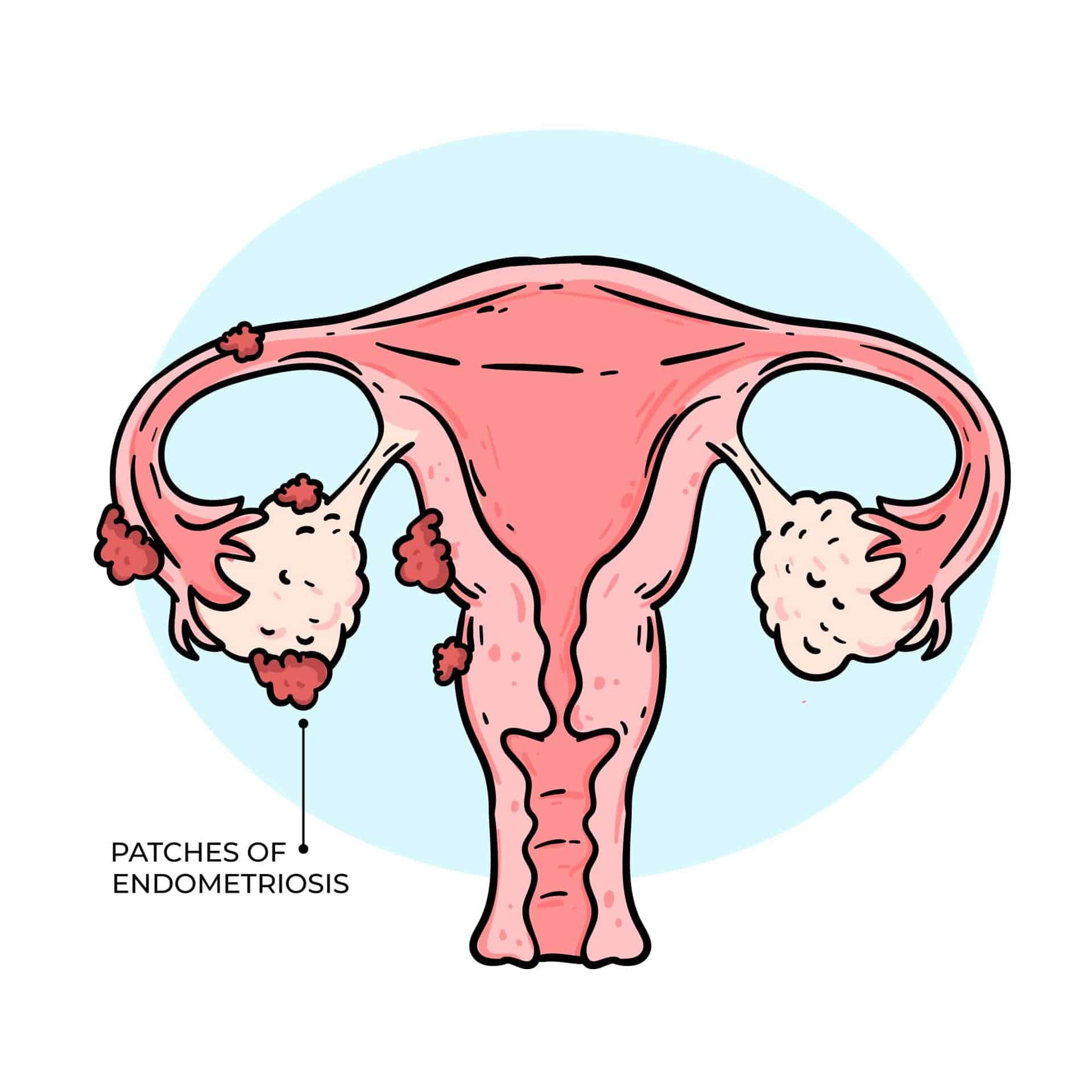
  • Endometriosis:A condition where tissue similar to the lining of the uterus grows outside of it, endometriosis can lead to the formation of adhesions and blockages in the fallopian tubes. (Smolarz, Szyłło, & Romanowicz, 2021)
  • Prior Surgeries:Surgical procedures in the abdominal or pelvic area, such as those for appendicitis or ectopic pregnancies, can result in scarring that may constrict the fallopian tubes. (Ghobrial, Ott, & Parry, 2023)
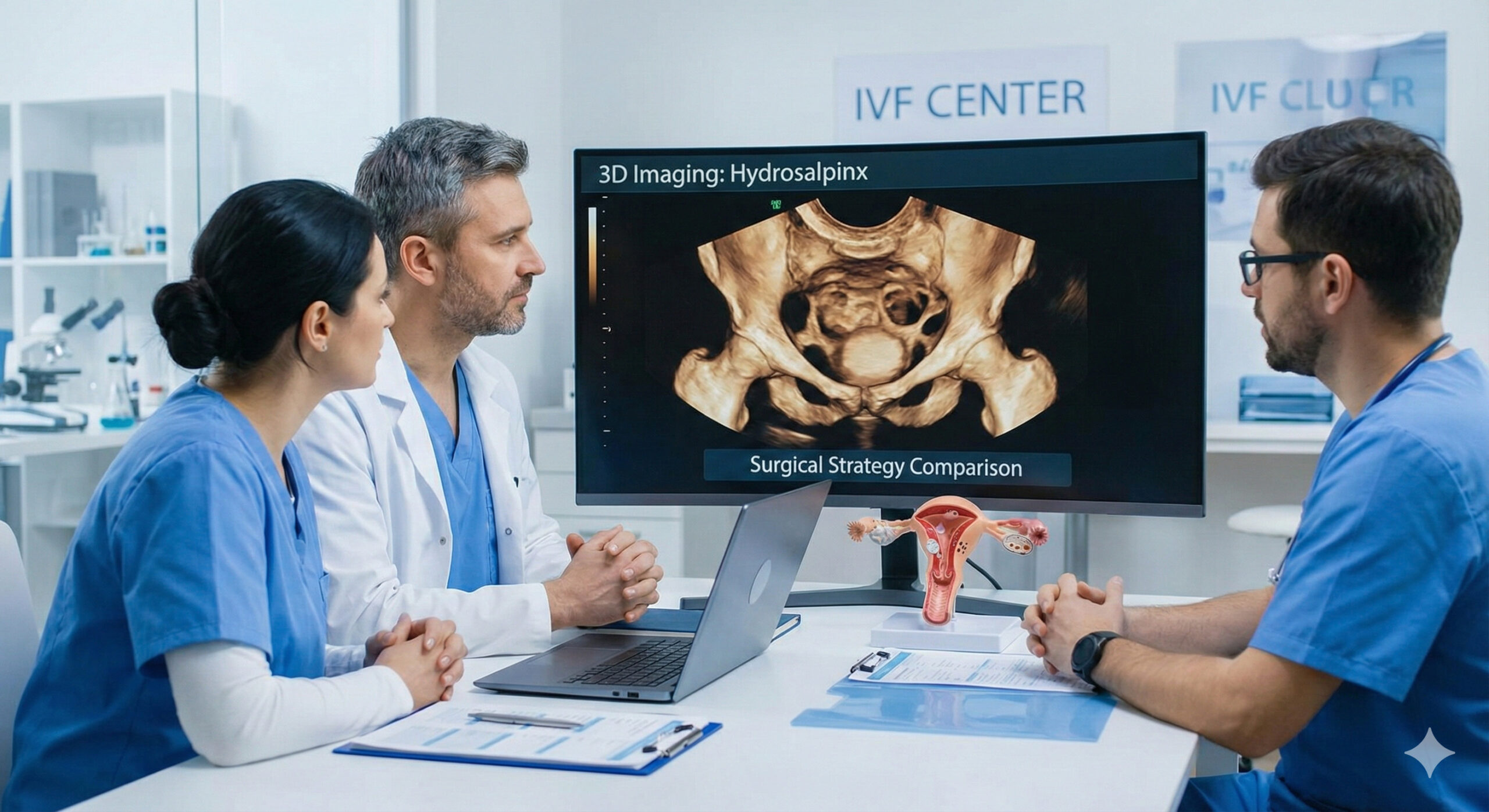
  • Hydrosalpinx:This occurs when a blocked fallopian tube fills with fluid, often as a result of infection, endometriosis, or past surgeries. (Lai, Masten, & Markese, 2024)

Diagnosing Tubal Factor Infertility

To diagnose tubal factor infertility, several methods are employed:

  • Hysterosalpingogram (HSG):An X-ray procedure that uses a special dye to reveal blockages or structural irregularities in the fallopian
  • Sonosalpingogram (SSG):This technique uses ultrasound imaging and a saline solution to evaluate the health of the fallopian tubes and uterus.
  • Laparoscopy:A minimally invasive surgical procedure that allows for the direct visualization of the fallopian tubes to detect blockages, scar tissue, and endometriosis.
  • HyCoSy:An ultrasound technique that assesses whether the fallopian tubes are open or blocked by using a fluid containing small bubbles (Women’s Imaging, n.d.).

Treatment Options to Restore Fertility

The treatment for tubal blockages varies based on the severity and location of the obstruction:

  • Salpingectomy:The surgical removal of one or both fallopian tubes, which can improve the chances of successful IVF treatment (Strandell et al.1999).
  • Selective Tubal Cannulation:A nonsurgical technique that uses X-ray guidance to clear blockages near the uterus. This method is an excellent alternative to microsurgical tubal anastomosis (Watrelot & Chauvi, 2011)
  • Tubal Reanastomosis and Fimbrioplasty:Surgical procedures that either reverse a tubal ligation or repair damaged parts of the fallopian tube (Alberta Health Services, n.d.).
  • Salpingostomy:A procedure that creates a new opening at the blocked end of the fallopian tube, often near the ovary. (Singhal, 2022)
  • In Vitro Fertilization (IVF):A process where eggs are retrieved from the ovaries and fertilized in a lab, with the resulting embryos transferred to the uterus, bypassing the fallopian tubes.

The Future of Tubal Factor Infertility Treatment

Research continues to advance in the field of reproductive medicine:

  • 3D Imaging and Robotic Surgery:These technologies are improving the precision of surgical procedures for tubal repair (Alkatout et al., 2024).
  • Tissue Regeneration:Strategies are being explored to regenerate damaged fallopian tube tissue, offering a potentially less invasive approach to restoring fertility (Sethi et al., 2024).

Conclusion

Choosing the optimal treatment for tubal blockages is a highly personalized decision. It requires the expertise of a fertility specialist who can navigate the best options, taking into account factors such as the woman’s age, the extent of tubal damage, and the cause of the blockage.

For further information, please book your consultation with expert here.

यस विषयबारे विस्तृतमा सुन्नुहोस् : नेपाली भाषामा

References (10)
  1. Sharma JB, Sharma E, Sharma S, Dharmendra S. Female genital tuberculosis: Revisited. Indian J Med Res. 2018 Dec;148(Suppl):S71-S83. doi: 10.4103/ijmr.IJMR_648_18. PMID: 30964083; PMCID: PMC6469382.
  2. Jennings, L. K., & Krywko, D. M. (2018). Pelvic Inflammatory Disease. StatPearls Publishing. Retrieved from https://europepmc.org/article/MED/29763134
  3. Smolarz B, Szyłło K, Romanowicz H. Endometriosis: Epidemiology, Classification, Pathogenesis, Treatment and Genetics (Review of Literature). Int J Mol Sci. 2021 Sep 29;22(19):10554. doi: 10.3390/ijms221910554. PMID: 34638893; PMCID: PMC8508982.
  4. Ghobrial S, Ott J, Parry JP. An Overview of Postoperative Intraabdominal Adhesions and Their Role on Female Infertility: A Narrative Review. J Clin Med. 2023 Mar 15;12(6):2263. doi: 10.3390/jcm12062263. PMID: 36983263; PMCID: PMC10051311.
  5. Lai JM, Masten M, Markese A. Development of Hydrosalpinx After Prior Vaginal Hysterectomy and Bilateral Salpingectomy. Cureus. 2024 Jan 19;16(1):e52573. doi: 10.7759/cureus.52573. PMID: 38371103; PMCID: PMC10870105.
  6. Strandell A, Lindhard A, Waldenström U, Thorburn J, Janson PO, Hamberger L. Hydrosalpinx and IVF outcome: a prospective, randomized multicentre trial in Scandinavia on salpingectomy prior to IVF. Hum Reprod. 1999 Nov;14(11):2762-9. doi: 10.1093/humrep/14.11.2762. PMID: 10548619.
  7. Watrelot, A., & Chauvi, G. (2011). Current practice in tubal surgery and adhesion management: A review. Reproductive BioMedicine Online, 23, 53–62. doi:10.1016/j.rbmo.2011.05.010
  8. MyHealth Alberta. (n.d.). Fallopian tube procedures for infertility. Retrieved from https://myhealth.alberta.ca/Health/Pages/conditions.aspx?hwid=hw203637
  9. Singhal, S. (2022, August 24). What is Salpingostomy? Birla Fertility & IVF. Retrieved from https://birlafertility.com/blogs/what-is-salpingostomy/
  10. Women’s Imaging. (n.d.). Hystero-Salpingo Contrast Sonography (HyCoSy). Retrieved from https://womensimaging.net.au/what-we-do/gynaecology/hysterosalpingo-contrast-sonography/

Share this article

About the Reviewer
Medically Reviewed By
Dr. Asmita Pandey
Dr. Asmita Pandey, MD
Specialist in Obstetrics, Gynecology & Assisted Reproductive Techniques (ART)

Dr. Asmita Pandey is a distinguished specialist in Reproductive Medicine, recognized for her clinical expertise and research contributions to the field of fertility. She specializes in Assisted Reproductive Techniques (ART), providing evidence-based solutions for complex reproductive challenges. Dr. Pandey’s work is characterized by a commitment to academic excellence and ethical medical journalism. She serves on the editorial boards of internationally renowned journals, bridging the gap between cutting-edge clinical research and patient care in South Asia. Education & Specialist Training Fellowship in Assisted Reproductive Techniques (ART): D.Y. Patil University, Navi Mumbai, India. M.D. in Obstetrics and Gynecology: Kathmandu Medical College (KMC), Tribhuvan University, Nepal. Clinical Excellence: Awarded the Young Achievers Award by the Indian Fertility Society, recognizing her early impact on the field of reproductive medicine. Clinical Expertise Her practice focuses on the holistic management of infertility and reproductive health, including: Advanced Infertility Management: Specialized clinical workup and diagnosis for primary and secondary infertility. ART Protocols: Tailoring evidence-based interventions for Assisted Reproduction. Evidence-Based Gynecology: Managing complex gynecological conditions with a focus on long-term reproductive health. Global Editorial & Academic Roles Dr. Pandey is a peer-reviewer and editorial leader for several of the most influential publications in her specialty: Editorial Board Member: Obstetrics & Gynecology (widely known as The Green Journal), the official publication of the American College of Obstetricians and Gynecologists (ACOG). Editorial Board Member: Journal of Human Reproduction. Professional Affiliations Member of the Indian Fertility Society (IFS). Registered Specialist with the Nepal Medical Council (NMC). Member of the Nepal Society of Obstetricians and Gynaecologists (NESOG).

Full Bio & Reviews

Related Content